Our features
ProJoules is a clear and practical crop planning tool that helps greenhouse growers map out their season, track crop development, and forecast harvests using real data from their own greenhouse.
More than Crop Planning
ProJoules is designed for greenhouse vegetable growers who want full control over their crop season. Whether you’re growing plum tomatoes, bell peppers, cucumbers, eggplants, or other fruiting vegetables, the platform supports precise crop cycle planning without relying on guesswork.
From initial crop planning to weekly updates, ProJoules gives you clear insight into what your crops need, when to expect specific outcomes, and how to adjust strategies as growing conditions evolve. It helps you stay ahead, make better decisions, and grow with confidence.
Made by growers
Built with real experience to support practical decisions.
Your Crop Data Stays Yours
We help growers make better decisions, not machines.
Access anywhere
Use ProJoules on any device, no installation needed.
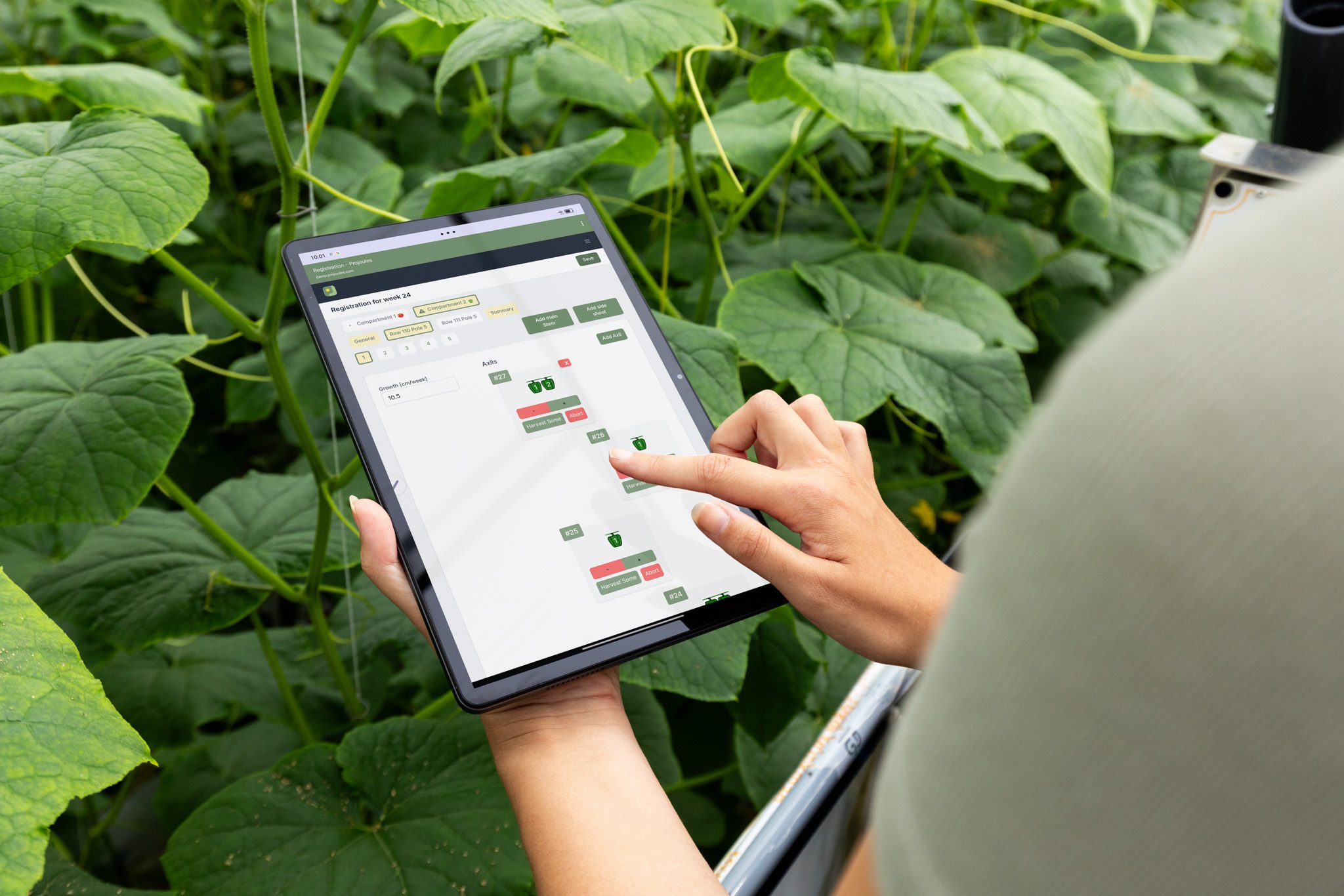
1. Crop planning & registration
Plan your crop cycle week by week using light data. Adjust key elements like variety, stem density, pruning policy, and temperature to match your goals and create optimal growing conditions all season.
- Set crop goals before the season starts
- Plan weekly using local light data
- Adjust variety, density, pruning, and coatings
- Monitor crop metrics like stem thickness and flowering height
- Balance crop load with light availability for optimal growth
- Automatically update plans with weekly records
- Use your own crop and climate data for personalized insights
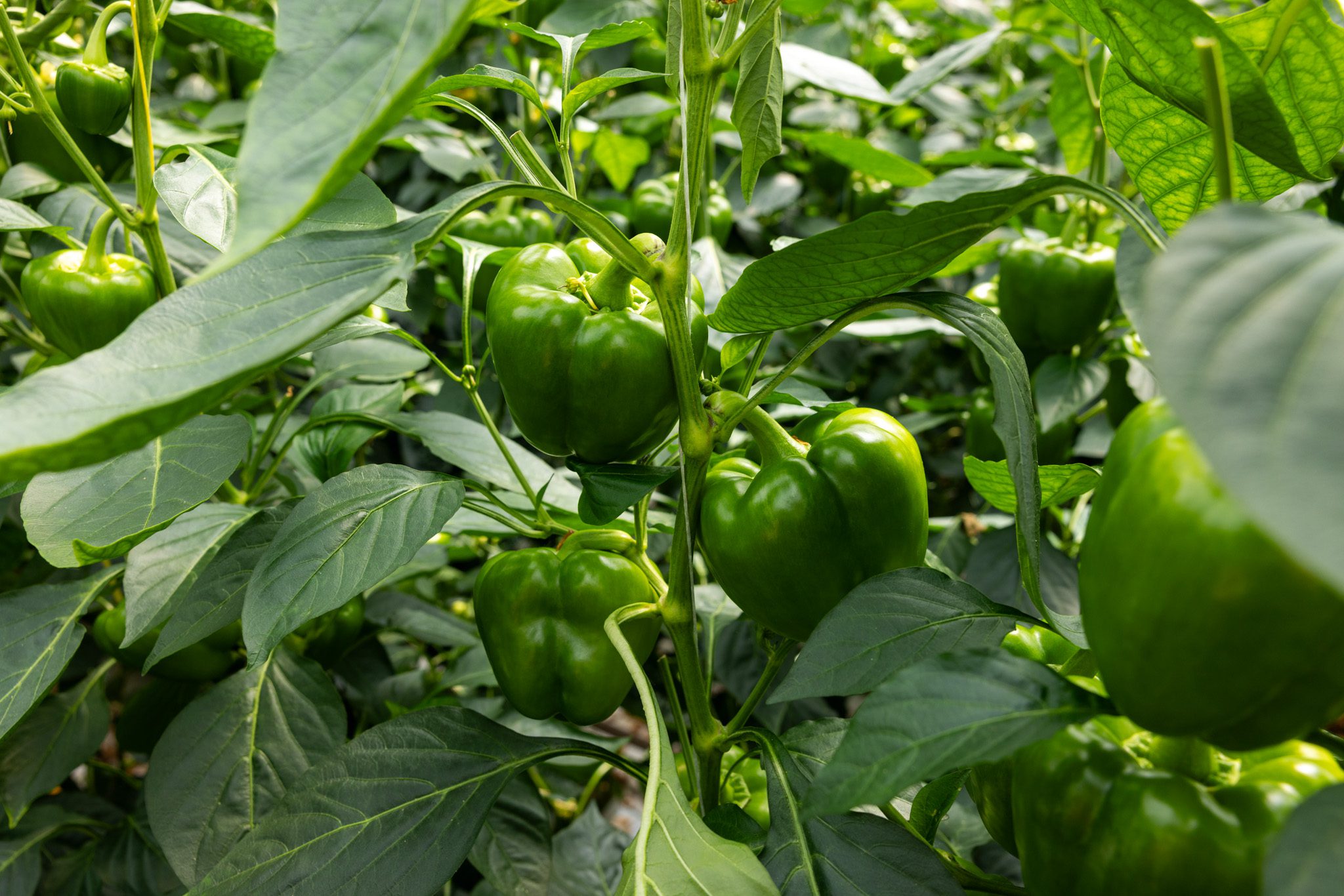
2. Harvest Forecast
ProJoules helps you move from assumptions to clarity. By combining your crop plan with real-time data, you gain a reliable view of what’s coming, so you can make informed decisions before the harvest begins.
- See expected weekly and total production before the season starts
- Update forecasts by logging weekly fruit set
- Improve accuracy with your own data (fruit weight, inside light, temperature, and more.)
- Align harvest timing with sales and market demand
- Optimize labor for harvesting, packing, and logistics
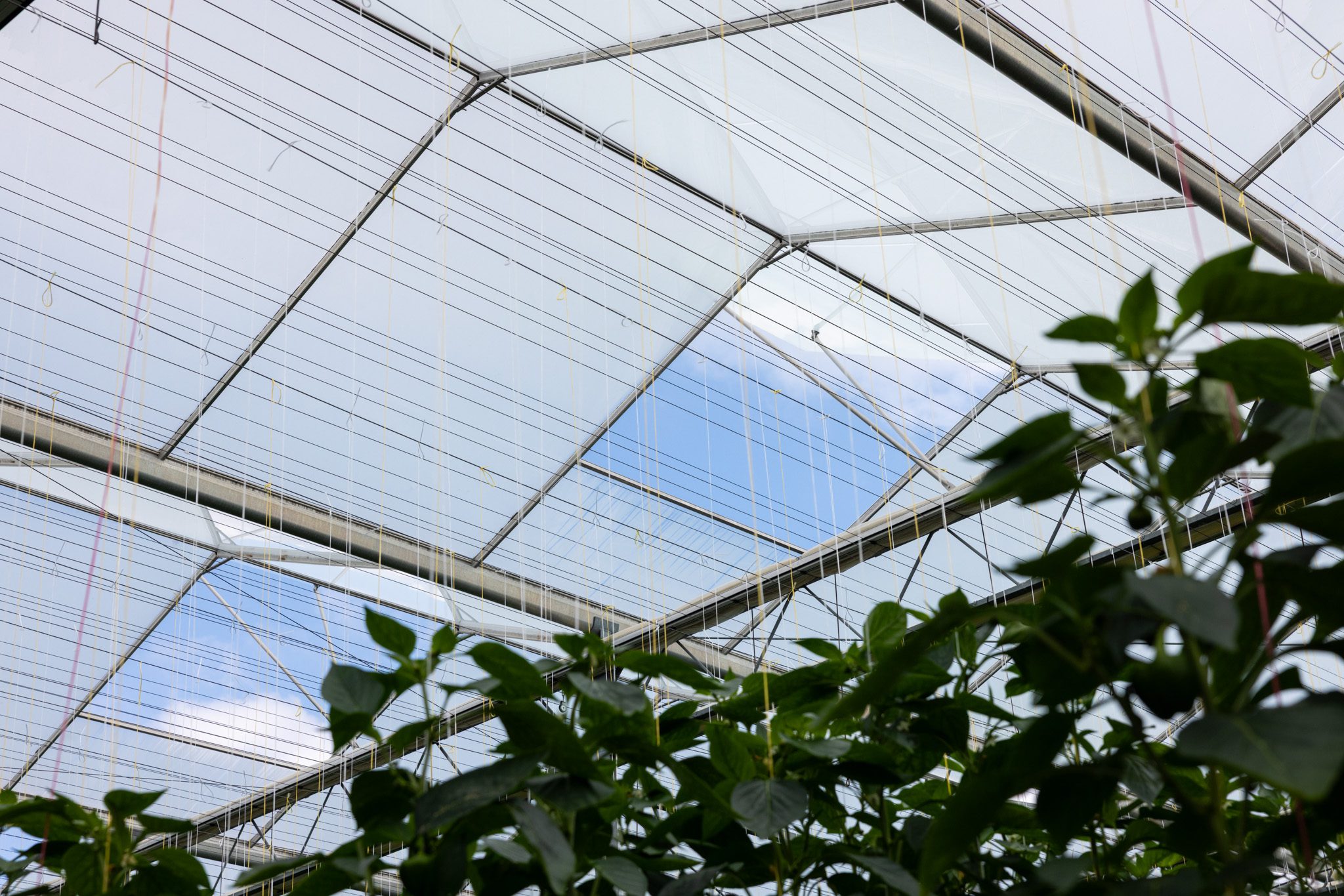
3. Light & Coating Insights
Get a full understanding of your greenhouse light levels and receive coating insights. Apply at the right time to maintain a balanced and productive crop.
- Understand your crop’s ideal light levels
- Prevent damage and yield loss from excessive light
- Use insights to apply and remove coatings at the right time
Frequently Asked Questions
ProJoules is an online tool and helps greenhouse growers plan, forecast, and understand their production over time. It connects crop planning with expected harvest, so you can see what is coming instead of reacting to what is happening today.
It also takes key factors like light levels into account, helping you better understand how conditions impact crop development and future production.
Spreadsheets can be used as a starting point, but they quickly become hard to maintain when conditions change.
ProJoules is built to adjust continuously. Instead of rebuilding your plan, you can update it based on actual crop performance and keep everything aligned.
ProJoules is used by professional vegetable greenhouse growers who want more control over production. This includes growers working with crops like tomato, cucumber, pepper, and eggplant etc.
Yes. We offer several options for consultants and crop advisors.
For example, growers can use ProJoules and share their crop plans and data with their advisor. We also offer dedicated consultant packages, allowing advisors to use ProJoules for multiple clients.
Contact us to discuss the best setup for your situation.
No. ProJoules is designed for growers and consultants, not developers. The focus is on making planning and forecasting easier to understand and work with in daily operations.
Most growers already have the data they need, such as planting dates, and crop cycles.
ProJoules builds on that and helps structure it in a way that supports better planning and forecasting.
Yes. In practice, plans change all the time. ProJoules allows you to adjust your planning and forecasts as your crop develops, without losing your overview.
ProJoules links your crop plan directly to expected harvest. This makes it easier to see how changes in planning affect future production.
As a result, forecasts become more realistic and easier to update over time.
No. ProJoules is designed to complement existing systems, not replace them. It focuses specifically on production planning and forecasting, which is often not fully covered in other tools.
By giving a clear view of future production, ProJoules helps growers make earlier and more informed decisions.
This can support planning for labor, sales, and crop strategy throughout the season.
ProJoules is built by growers, for growers. We understand that no two greenhouses are the same. Every crop, location, and strategy comes with its own variables, from light levels and climate to variety and planning approach.
AI models are typically trained to recognize patterns across large datasets. This often leads to generalization, where specific greenhouse conditions are simplified into averages. In practice, that does not always reflect the reality growers work with every day.
Instead of relying on black box predictions, ProJoules focuses on transparency and control. Growers can work with their own data, adjust their planning as conditions change, and understand the reasoning behind their decisions.
This approach keeps the grower in control, while still benefiting from structured data and better forecasting.
The registration feature allows growers to track what actually happens in the greenhouse and compare it to the original plan.
By registering real production, timing, or changes during the season, you create a feedback loop. This makes it easier to improve planning and forecasting over time, instead of relying on assumptions.
Light is one of the main drivers of crop development and yield. Changes in light levels directly affect how fast crops grow and when they are ready for harvest.
By including light data in planning and forecasting, ProJoules helps growers adjust expectations earlier and keep production more predictable, especially during seasonal changes.
The biggest impact is usually better predictability and understanding. Growers gain a clearer view of future production and can make decisions earlier.
In practice, this can lead to more production, fewer surprises, and better alignment with labor and sales. Instead of reacting to what happens, growers can plan ahead with more confidence.
Growers retain full ownership of their data at all times. Your data stays securely within the ProJoules platform and remains under your control, with access available whenever you need it.
Privacy and data protection are central to our approach. Data is never shared with third parties or used to train external AI models or improve machines.
When support or analysis is required, the ProJoules team can help growers generate insights and optimize their operations using data available within the platform. Data is only used to support the grower it belongs to and provide tailored recommendations to that specific grower.
Your data belongs to you, remains protected, and is used solely to support your growing operations.
Getting started usually does not require a long setup. Most growers can begin with their existing planning data and build from there.
ProJoules is currently available in more than 12 languages, including Dutch, English, German, Spanish, French, Japanese, Turkish, Polish, Korean, Croatian, Hungarian, Romanian, and Chinese.
We continuously work to make ProJoules accessible to growers worldwide. If your preferred language is not currently available, please contact us. We are always open to adding additional languages based on customer needs.
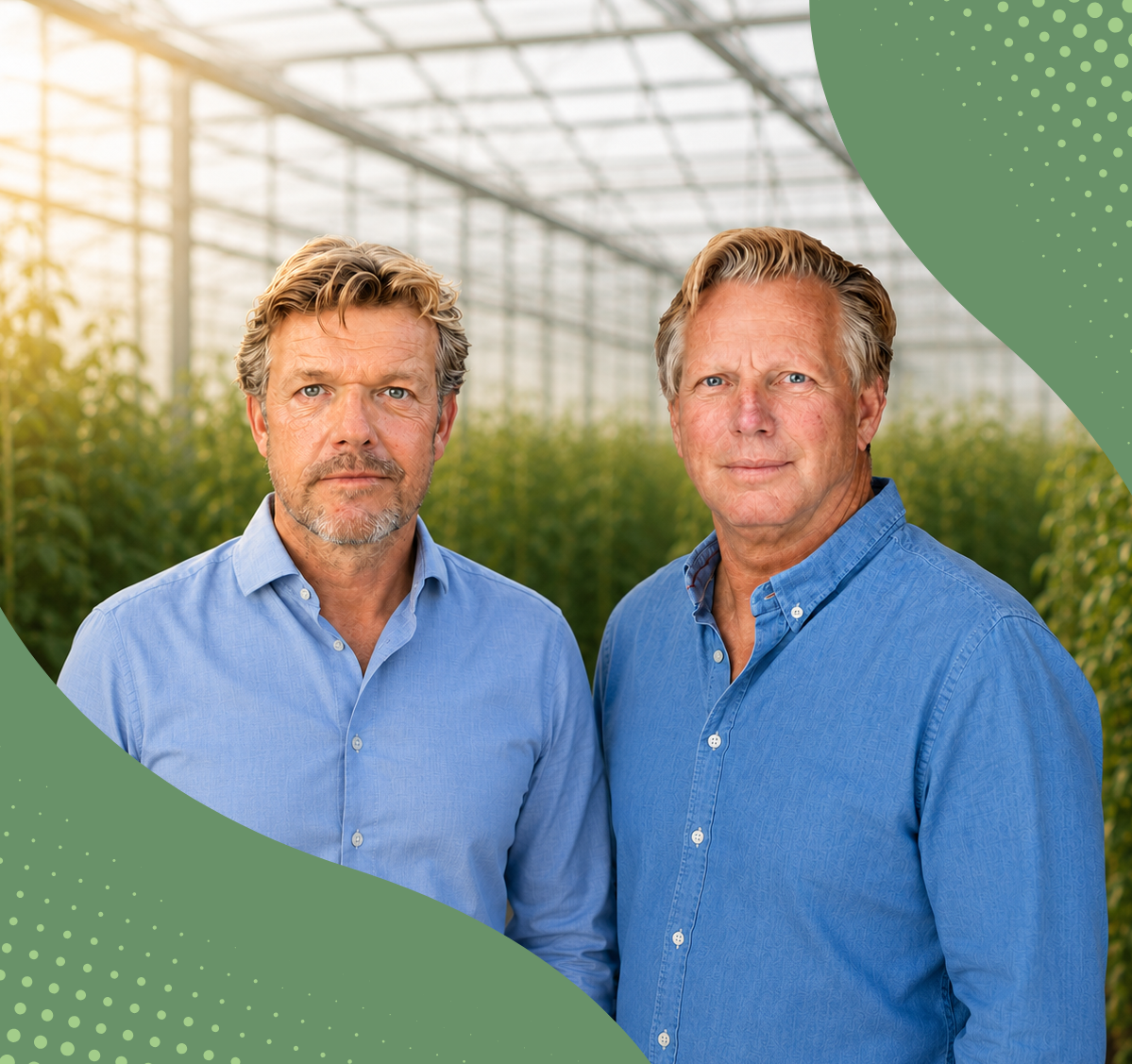
Curious About ProJoules?
Your first conversation will usually be with Wim or Eric. It’s simply an opportunity to get to know each other. We’ll learn more about your greenhouse, your crop, and the challenges you’re facing, while showing you how ProJoules works and whether it could add value to your situation.
There’s no obligation to continue afterwards. If you’re curious, we’d be happy to schedule a demo and answer your questions.